Living energy in practice
Our 2025 sustainability report
Power, security and resilience
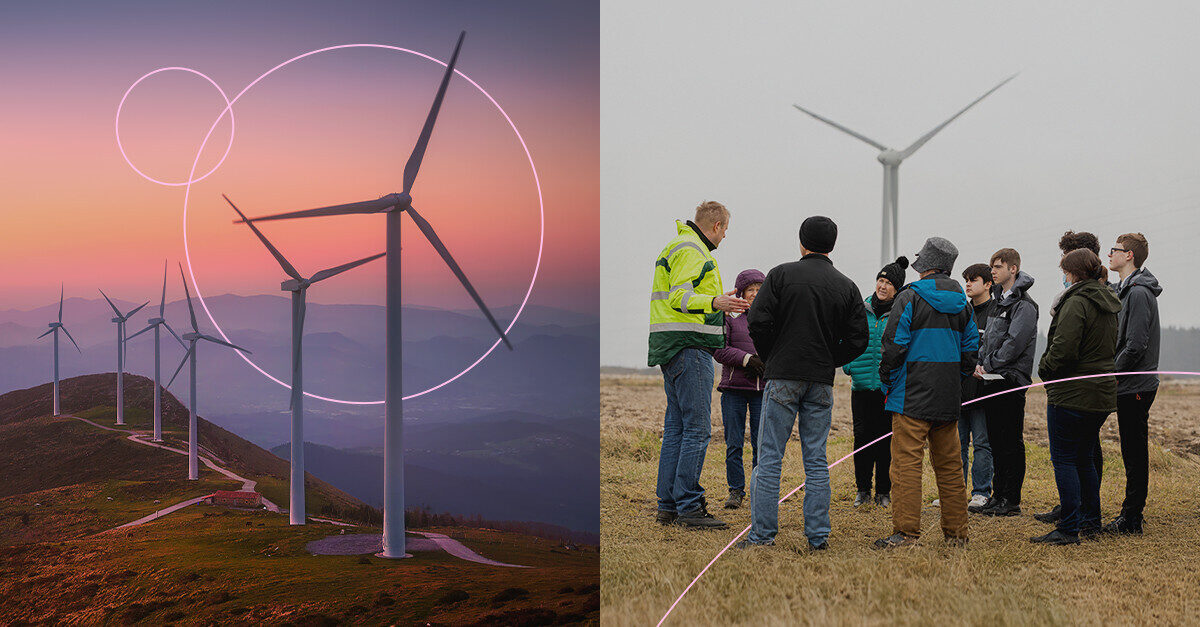
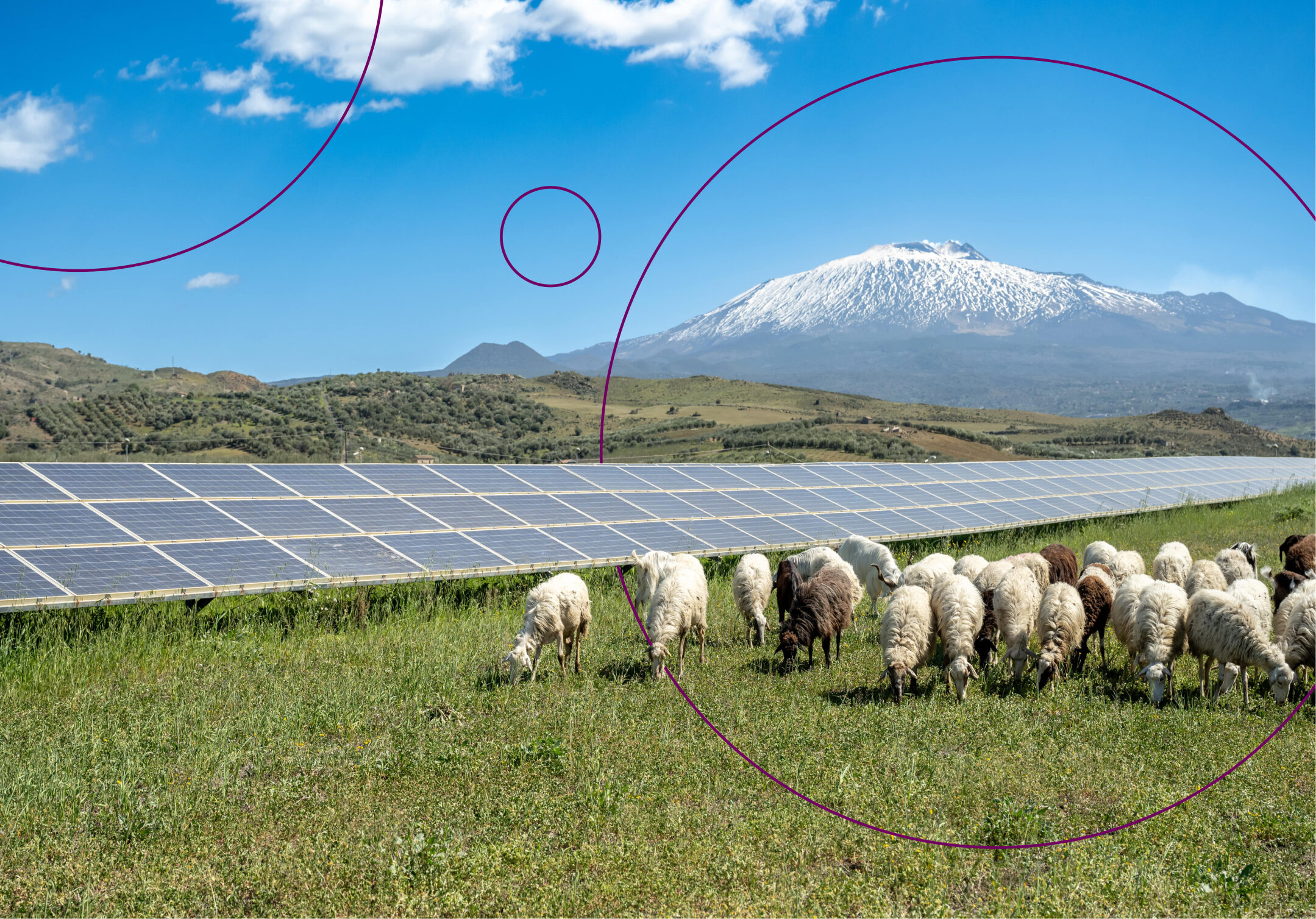
In 2025, energy security became increasingly intertwined with economic and national security. Geopolitical tensions, supply chain pressures, and the accelerating impacts of climate change have made the case for renewable energy more urgent - and more scrutinised - than ever. Onshore wind and utility-scale solar are now the cheapest sources of electricity in the world. But affordability alone is not the whole picture. The infrastructure that powers our lives is increasingly exposed to cyber threats, climate-related hazards, and the kind of supply chain risks that cannot be managed from a distance. Companies like Nadara have a key role to play in advancing the generation of renewable energy while addressing these critical risks.
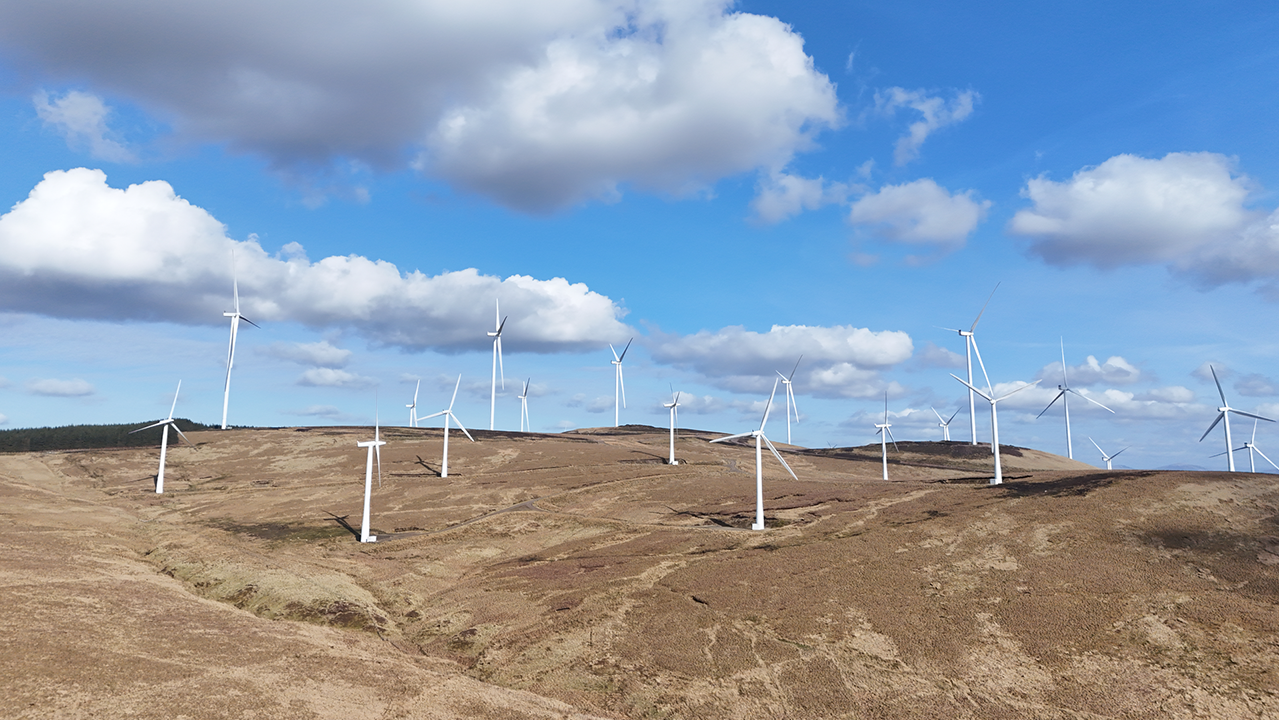
Nadara operates across 10 countries. We develop, own, and operate renewable energy plants, and we do it alongside the communities that host them, the natural habitats that surround them, and the people who work in them. For us, sustainability is not just a reporting exercise, it's part of how we make decisions, manage risk, and build something that lasts. Here's what that looked like in practice in 2025.
A lifecycle approach to circularity
When a wind farm reaches end of life, the work is just beginning
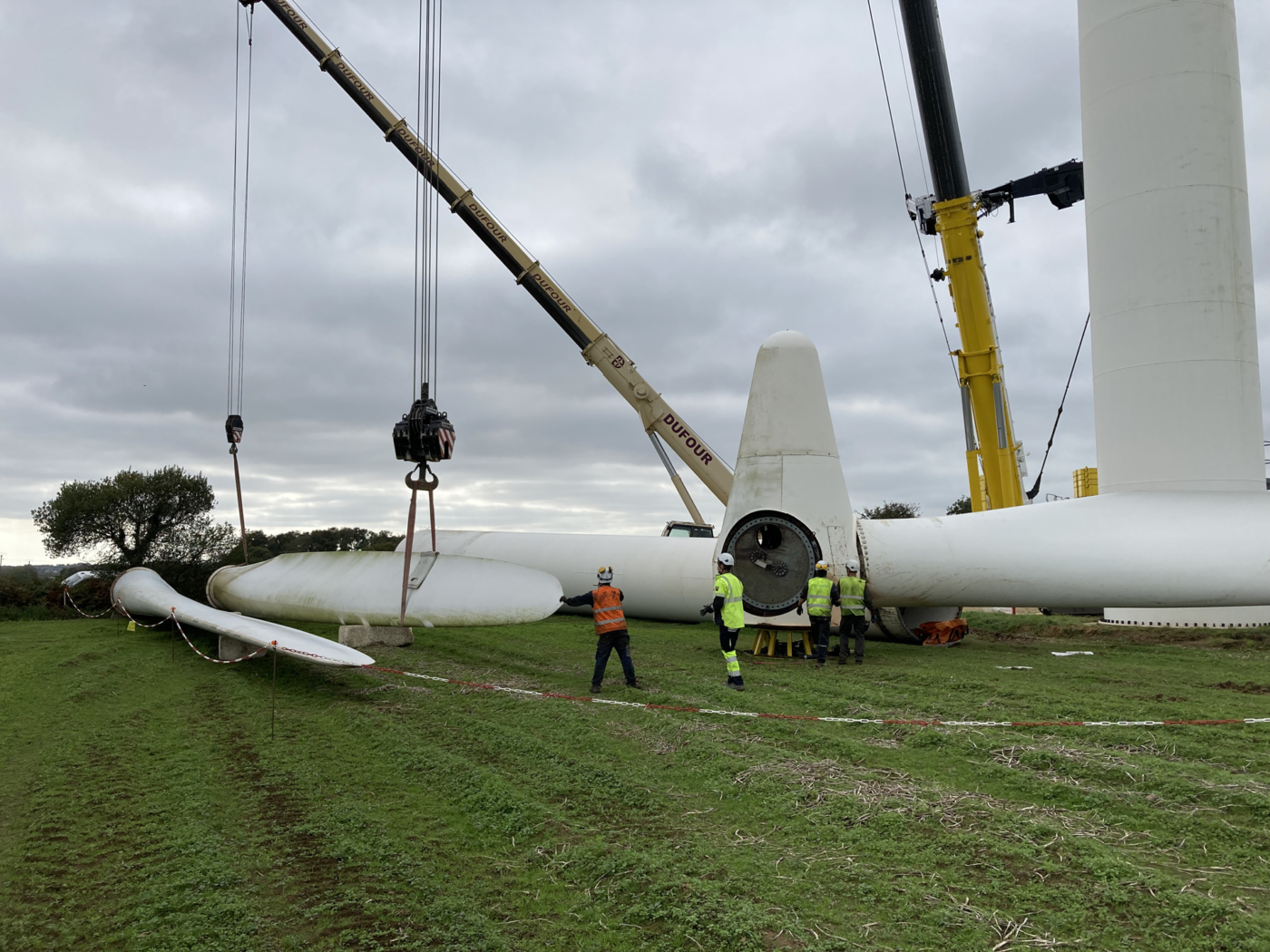
At Plouvien in France, Nadara completed its first large-scale decommissioning project, recovering 98% of recorded materials* and sending zero blade material to landfill. In an approach designed by colleagues from across the business, turbine components were also donated to a local technical high school and local community members were invited on site to observe the works in action. Our experience at Plouvien will shape how we approach our future decommissioning and repowering projects, starting from Tow Law, our first site to be decommissioned in the UK, in 2026.
*Materials in scope, excluding foundations and earthworks
- 98% material recovery rate at Plouvien
Guided by nature
Goats, satellites, and a protected bird species
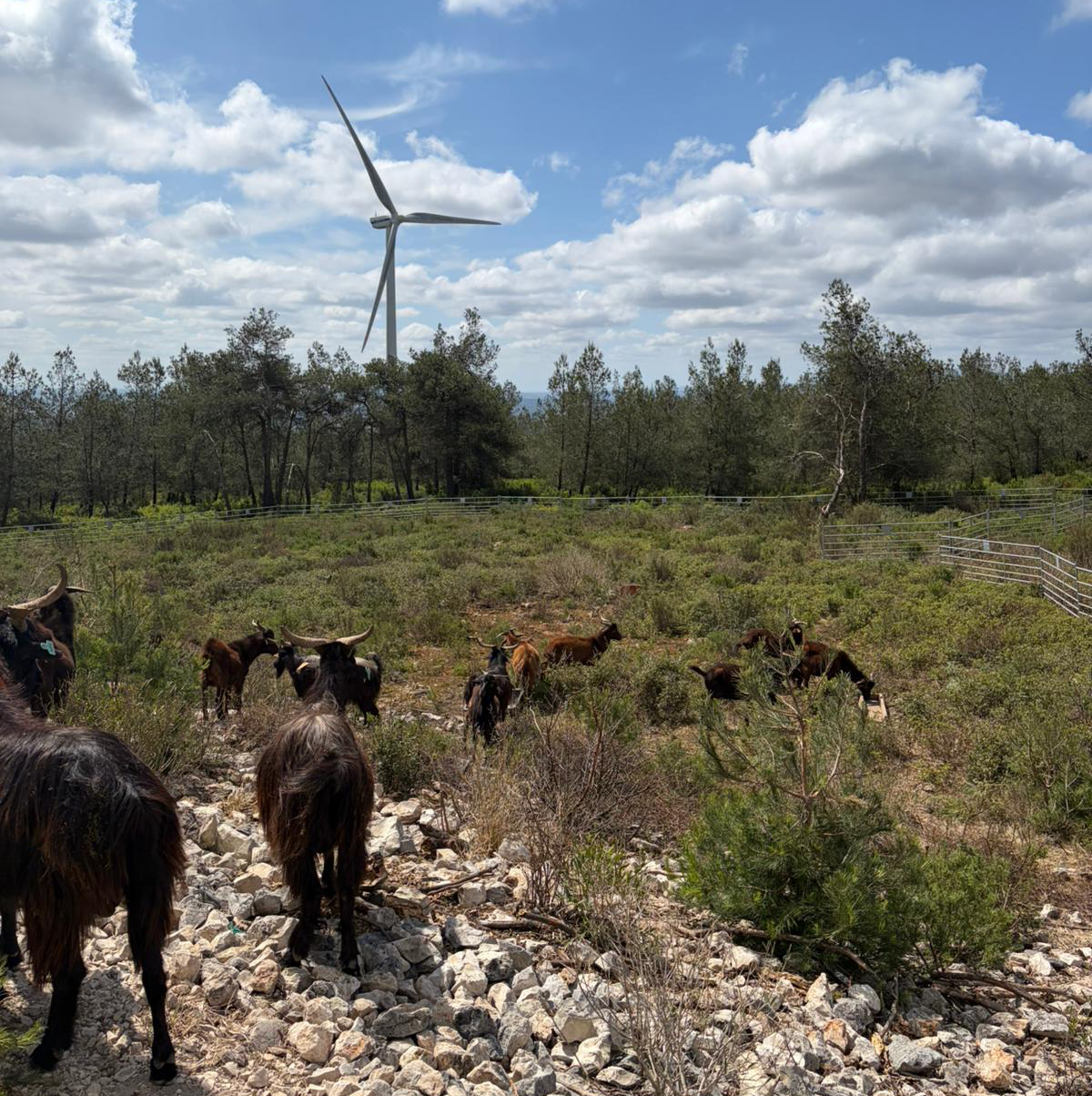
At our Candeeiros wind farm in Portugal, we replaced heavy machinery with a combination of geospatial satellite monitoring and a herd of goats managed by the local Terra Chã cooperative. The approach protects the habitat of the red-billed chough - a species of conservation concern - reduces fire risk, and avoids 8.96 tonnes of CO2 per year at a single site. This is what a nature-based solution looks like when it is genuinely built into how a site operates.
- 8.96 tCO2e avoided per year at Candeeiros
Growing with our communities
A good developer is also a long-lasting community partner
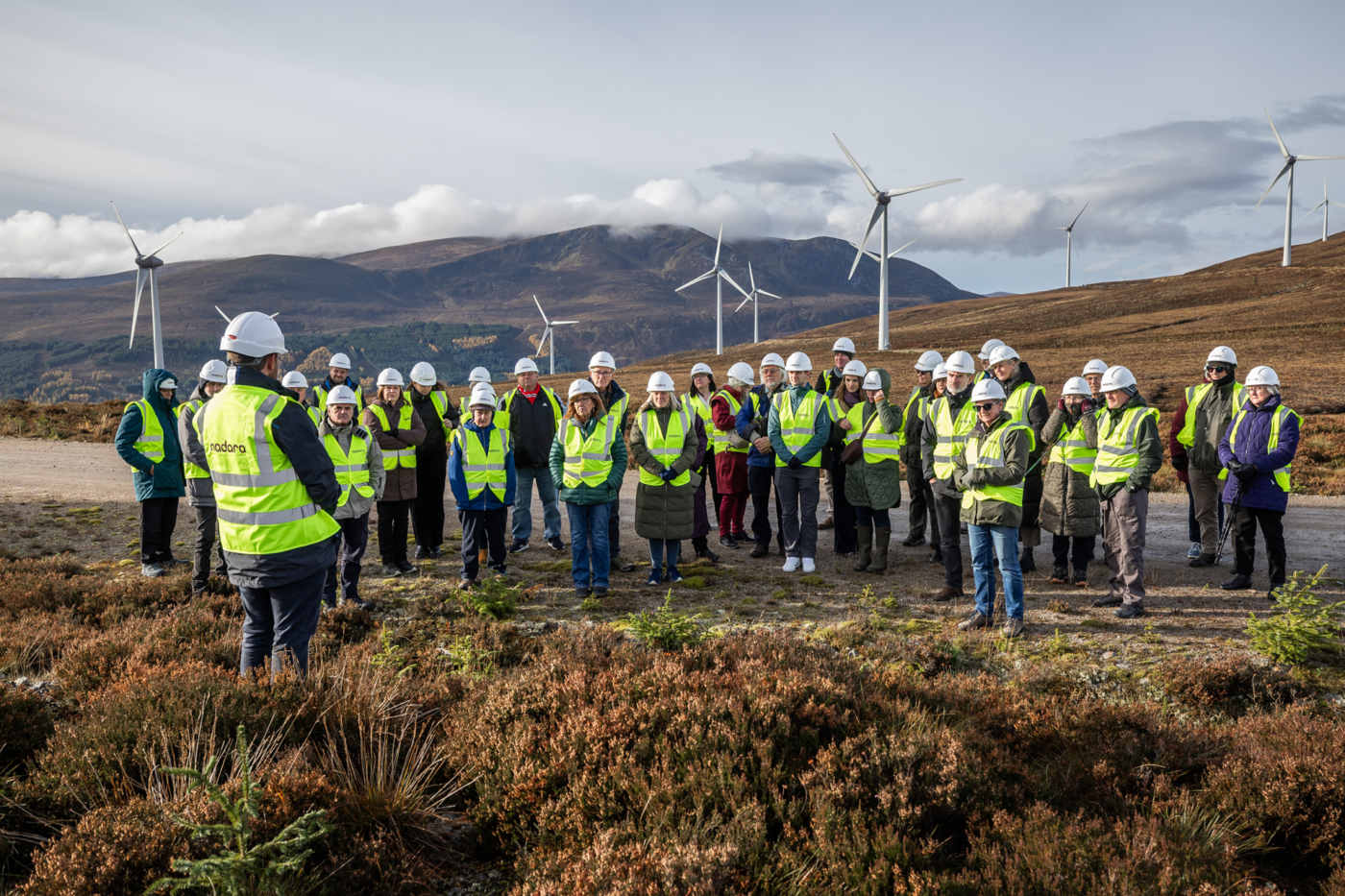
93% of our operational plants were involved in community engagement programmes in 2025. We finalised our first Community Engagement Policy, developed with input from more than 40 colleagues across the business. And we held our first Sustainable Communities Forum in Spain where local mayors told us that renewable energy companies have the opportunity to play a real role in reversing rural depopulation. With circularity in mind, we also took the opportunity to engage more than 200 local residents and children around our first decommissioning project in France and to understand what matters to our UK communities the most when we dismantle or repower our assets.
- €5m in monetary donations to communities in 2025
Empowering our people
A culture of care means showing up, not just reporting
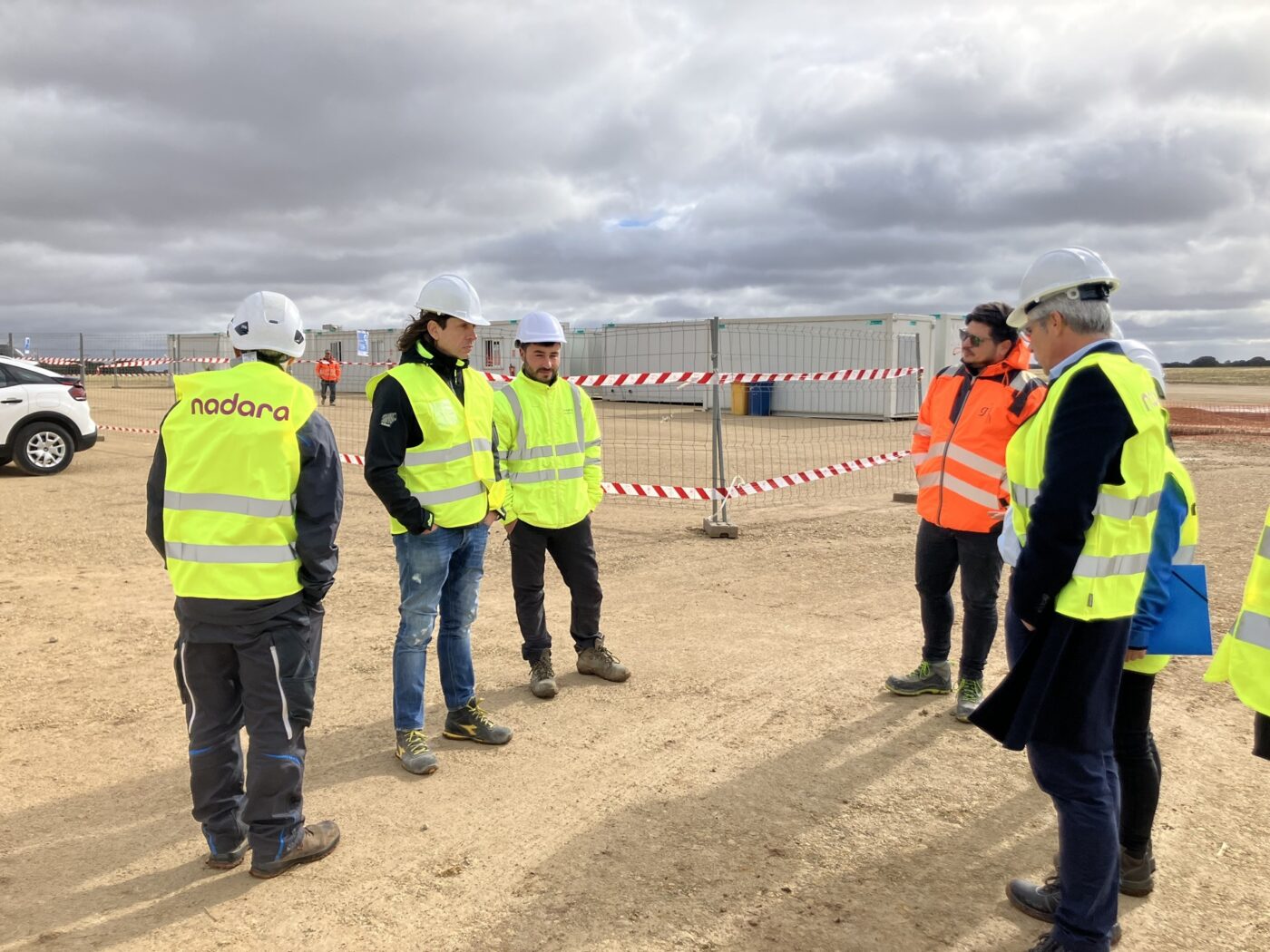
Our Executive team completed 18 Safety Walks and Talks across our sites in 2025, strengthening collaboration with contractors, surface risks early and turning safety into a practical, shared responsibility. We launched #NadaraWins, our first company-wide recognition scheme, which received 145 nominations in its first three months. These are two sides of the same commitment that people who work here every day are supported, valued, and safe.
- 16,775 hours of training completed in 2025, 24% more than 2024
Numbers that matter
Across our sites in 2025, this is what living energy added up to.
1,020,504
tCO2eq
Emissions avoided through energy generation in 2025
7x
Our own carbon footprint, offset by the energy we produce
93%
Of operational plants in active community engagement programmes
35
Species documented across five Portuguese wind farms
Renewable energy is a sector with a significant opportunity and a significant responsibility.
We are taking both seriously, every year, on every site. The 2025 report sets out where we stand.
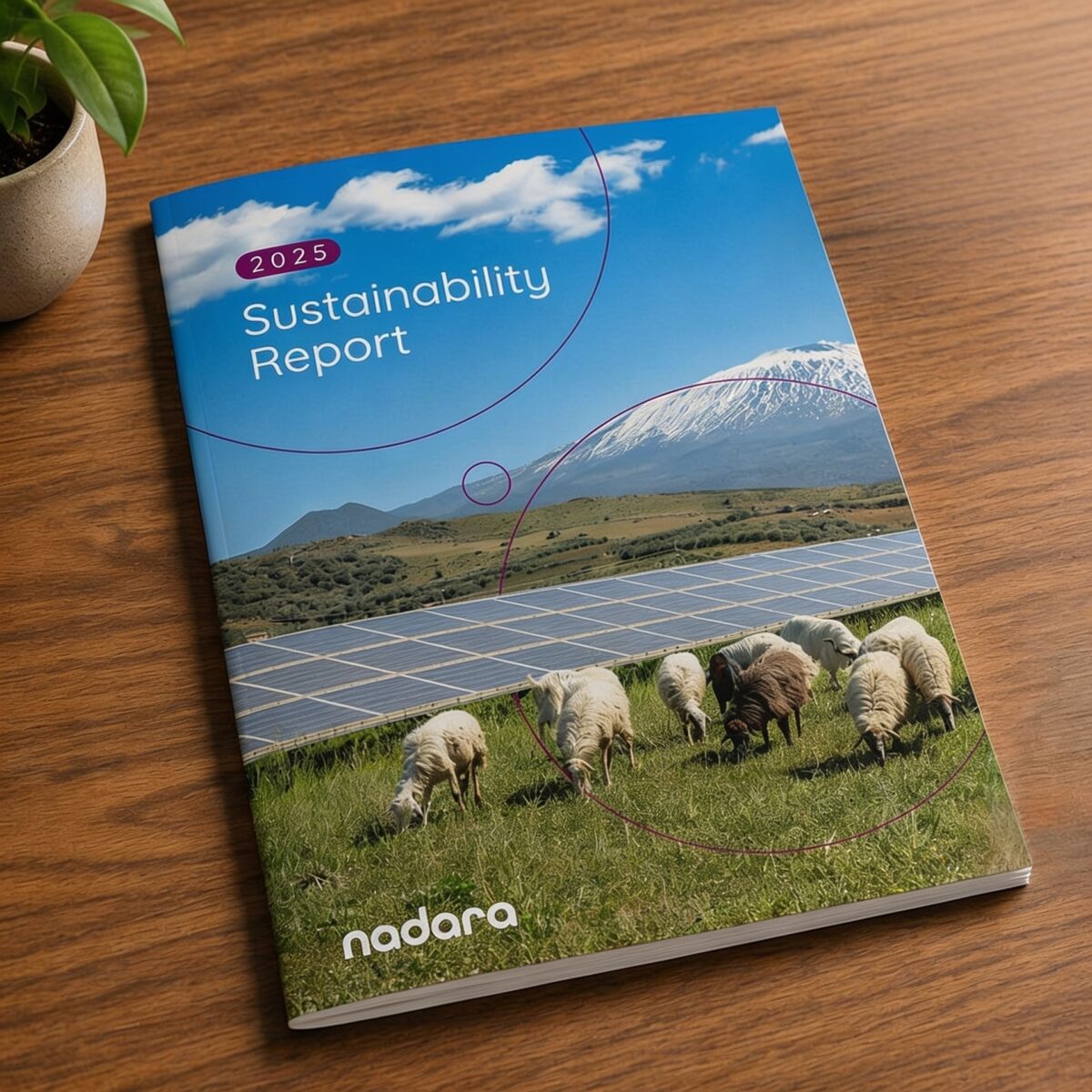
Download our 2025 Sustainability Report
Continuing our strong historical commitment to transparency on sustainability, our latest report reveals the practical actions we have taken in 2025 to bring our sustainability principles to life.
Download the PDF
Forward looking
What comes next
In 2026, we will continue to embed sustainability into our core business, our development activities and operations. We will launch the first phase of a Climate Transition Plan, setting out our initial suite of emission reduction targets. We will apply what we learned at Plouvien to Tow Law Wind Farm in County Durham: our first decommissioning project in the UK and a chance to test circularity principles from the outset. We will expand our Community Value Proposition into Portugal and the US, building on the approach we developed in the UK and across Europe. We will complete a desktop Human Rights Impact Assessment to strengthen due diligence across our supply chain, and we will develop a clear journey towards a high-performing company to make sure that all our people are well equipped to drive meaning progress, deliver value and achieve great outcomes for us and all of our stakeholders.
None of this is finished work. Renewable energy is a sector with a significant opportunity and a significant responsibility. We are taking both seriously, every year, on every site. The 2025 report sets out where we stand.