
From reactive to predictive: how goats and satellites are changing how we manage our land
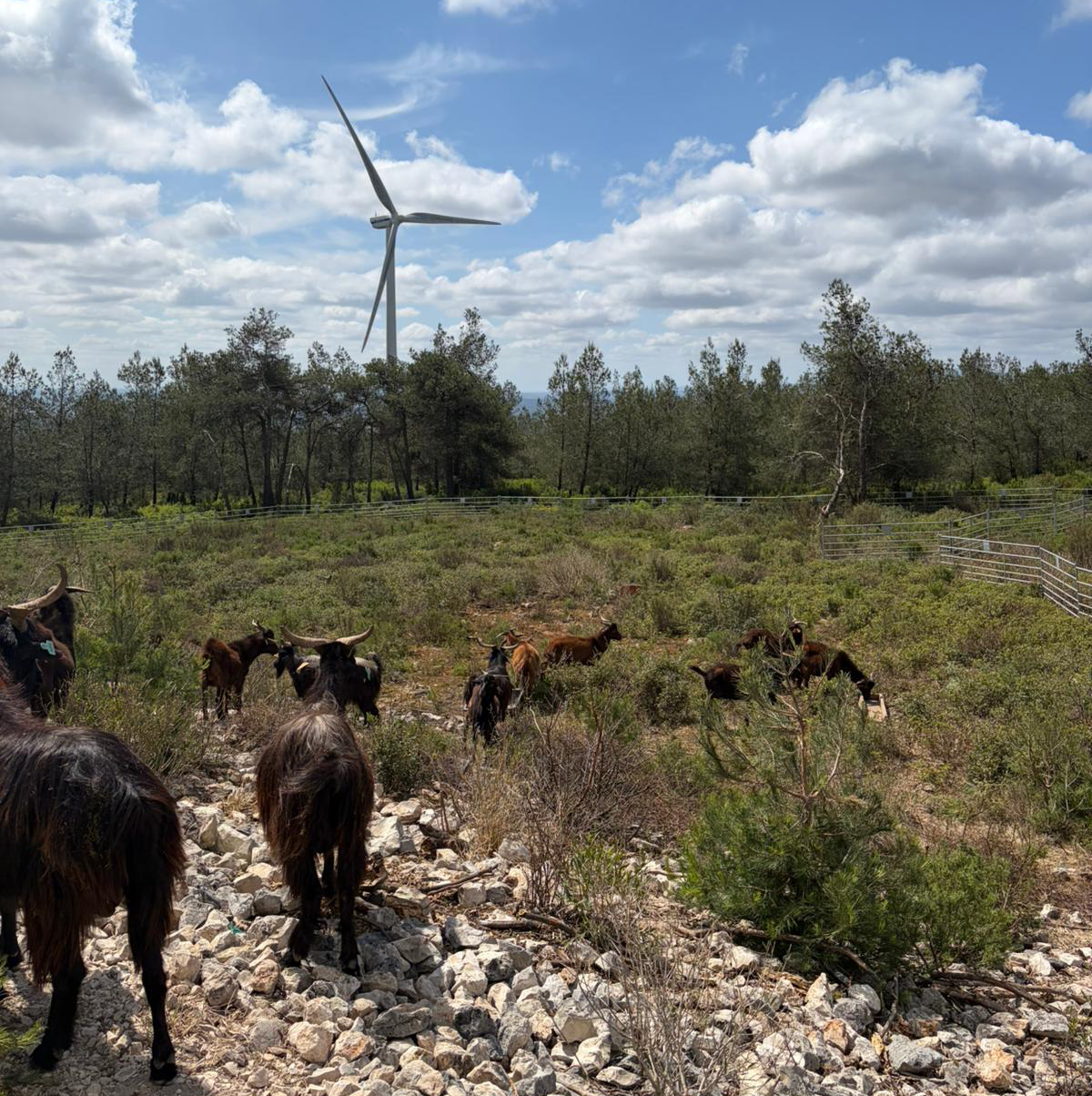
Fire prevention is not a new challenge for wind farm operators. In fire-prone landscapes, managing vegetation around turbines is an obligation with real consequences. Do it badly and you risk ignition. Do it well and you protect the land, the communities around it, and the infrastructure that serves them.
At Candeeiros Wind Farm, set within the Serra de Aire e Candeeiros Natural Park in Portugal, Nadara has found a way to do it better.
The problem with the old approach
Vegetation management has traditionally meant sending heavy machinery into the field: brush cutters, chainsaws, fuel consumption, and emissions. Inspections happened at fixed intervals, meaning conditions could deteriorate between visits. The model was reactive, resource-intensive, and carried its own risks. In high fire-risk territory, the machinery used to prevent ignition could itself become a source of one.
A new model built on data and nature
In 2024, Nadara began implementing a new approach. Working with technology partner Spotlite, satellite imagery is now collected and fed into a geospatial analysis platform that tracks vegetation growth and density across the farm.
The data is processed into dashboards showing real conditions on the ground, with forecasts three and 12 months ahead. Intervention decisions are based on evidence, not estimates. The team can see where risk is building before it materialises.
But the most visible part of the solution is also the oldest: a herd of goats.
Grazing as infrastructure
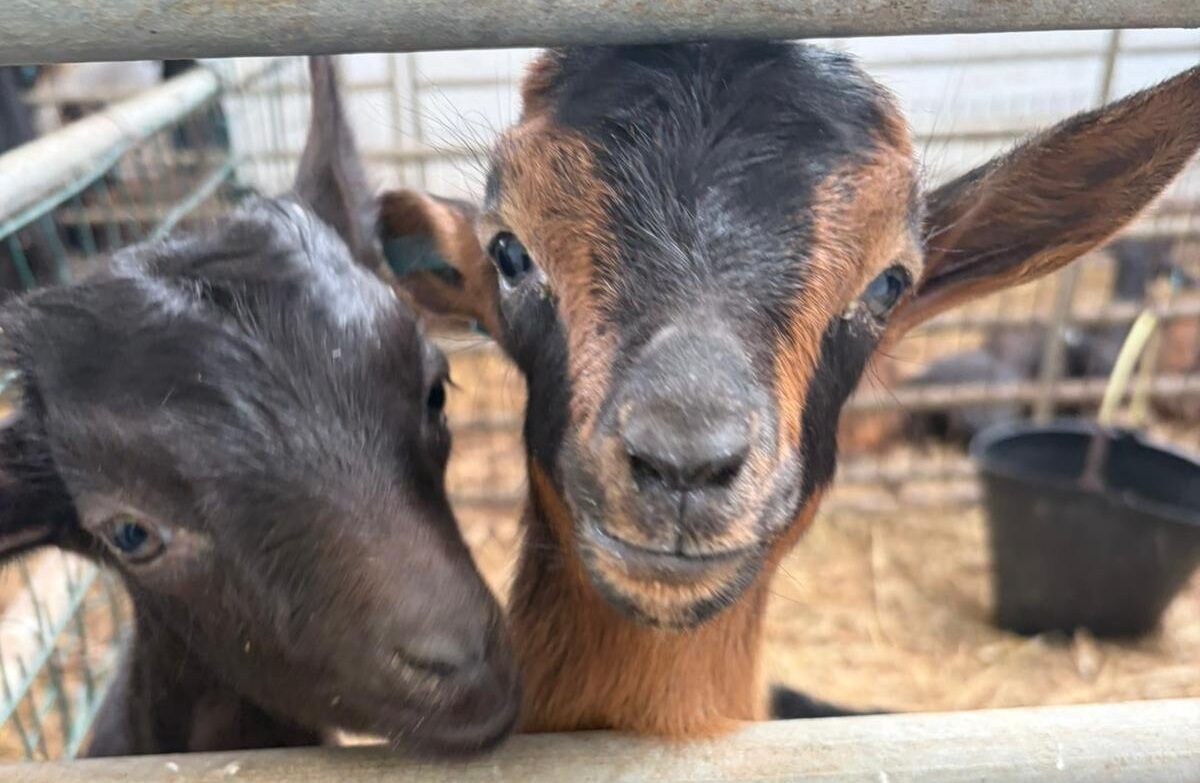
A partnership with local cooperative Terra Chã now provides continuous, structured grazing across 35 hectares of land classified as high fire risk. Mechanical operations have been replaced entirely. The herd keeps vegetation within legal fuel management parameters year-round, eliminating the need for periodic machinery interventions and the ignition risk they carry.
The environmental results are measurable. The shift from machinery to grazing avoids 8.96 metric tons of CO₂ per year at Candeeiros alone. The goats also help maintain low scrub habitat for the red-billed chough, a protected species documented in the park that depends on exactly this type of terrain.
Impact beyond the park
The project's social dimension is just as important. A reduction in public support had put Terra Chã's operations under pressure. The multi-year contract secured through this project gave the cooperative economic stability and secured the future of a traditional land management practice.
That matters. Innovation in prevention goes further when it works with local knowledge and local livelihoods, not around them.
Recognition and what comes next
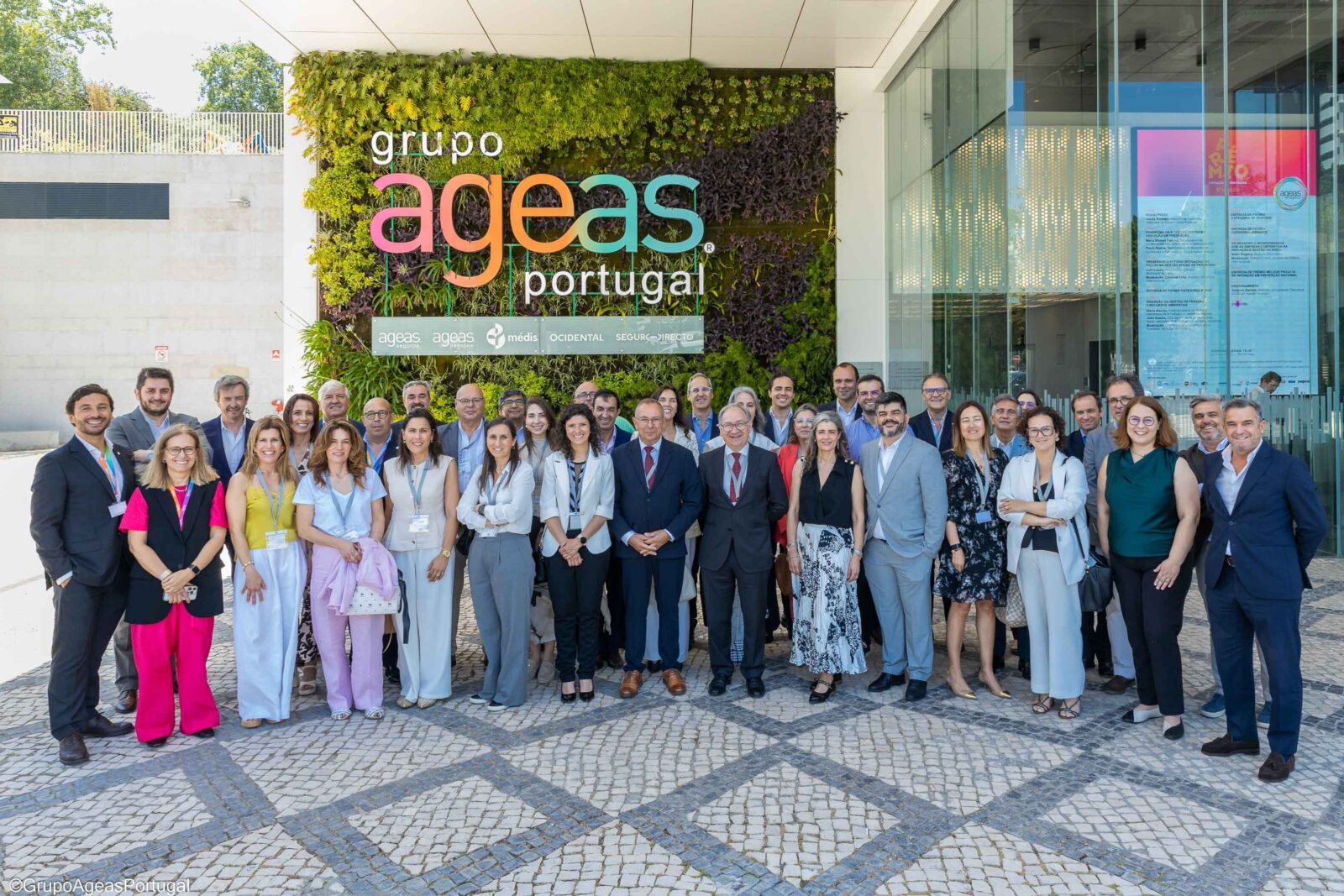
In 2026, the project was awarded the Ageas Innovation in Prevention Award in the Environment category, recognising its contribution to fire risk mitigation, emissions reduction, and biodiversity protection.
The results at Candeeiros have already shaped Nadara's wider strategy. The model is being incorporated into the company's roadmap for progressive expansion to other wind farms. As it scales, so will the environmental and social impact.
This is what living energy looks like in practice: technology and nature working together, rooted in the communities and landscapes we're part of.