
Why Europe cannot afford to waste our renewable energy

Roberta Travisi
Head of Regulatory Engagement and Advocacy
Roberta began her career in Brussels, working in EU institutional affairs and energy financing. She never really left, not in spirit anyway. Over a decade in the energy sector, across renewables, energy services, and market regulation, she has worked where policy meets practice: understanding the rules, shaping them, and pushing for better ones. At Nadara, she leads regulatory engagement and advocacy across Europe, and serves on the Council of Assolombarda Energia. In March 2026, she was back in the European Parliament, making the case for Europe to stop wasting the renewable energy it has already built.
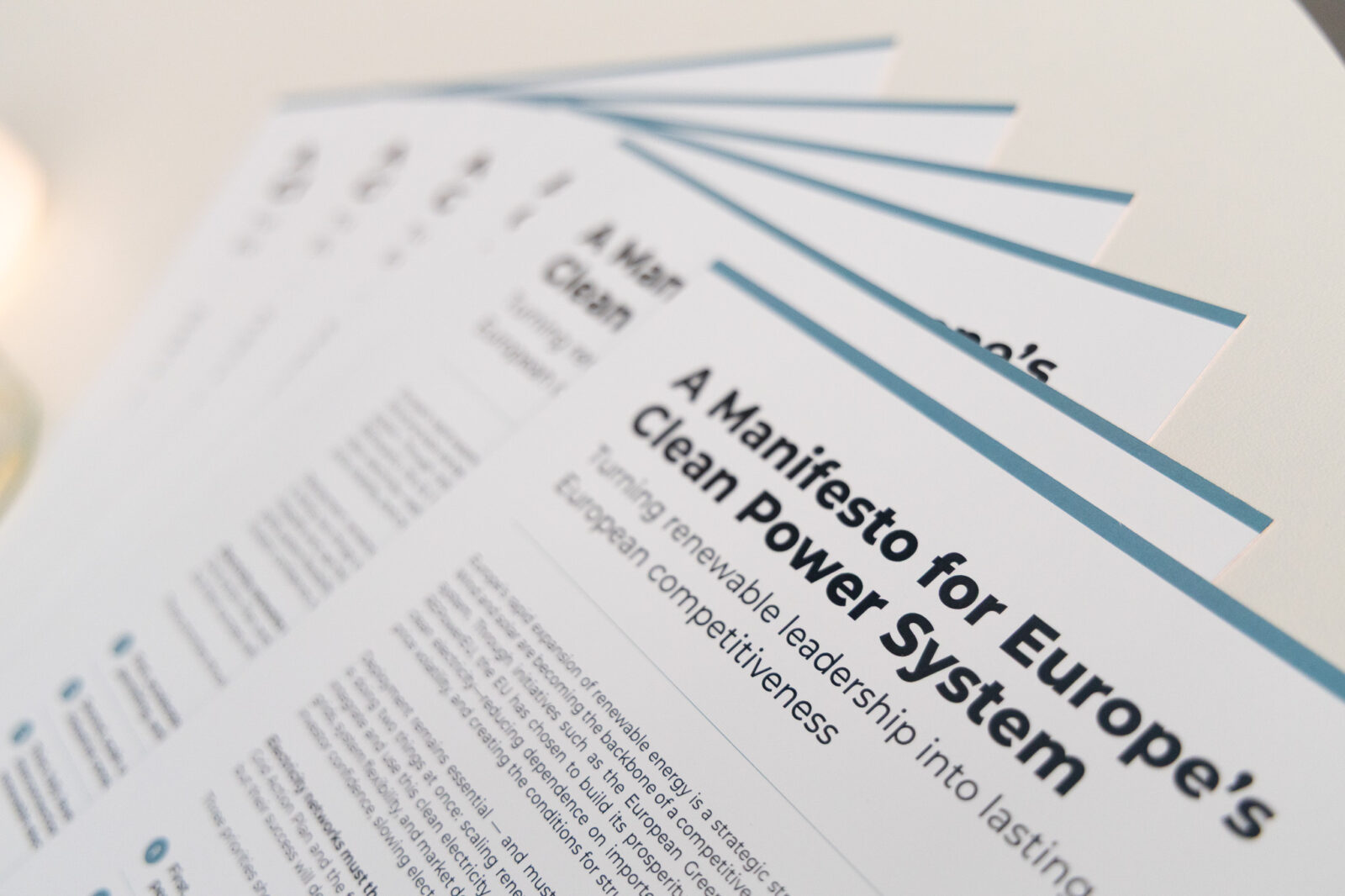
In the room where it happens
Ongoing geopolitical tensions and resulting pressure on international energy markets are once again reminding us of a fundamental truth: energy is not just an economic issue – it is a matter of security, sovereignty, and stability. For those of us in the renewable energy, this is no surprise.
Recent Oxford Economics analysis demonstrates how building out renewable capacity can hedge against commodity price shocks. Unlike fossil fuels, solar and wind generation costs are structurally decoupled from volatile global energy markets.
The rise of electrification, together with the deployment of renewables at scale, undeniably underpin robust energy and macroeconomic policy. Today’s crisis only reinforces the urgency to our change course, and that is exactly what Europe has started to do.
On 24th March, at the European Parliament in Brussels, Nadara - in collaboration with Sonnedix - convened high-profile industry leaders and key decision makers to discuss this complex yet pressing topic. Alongside Sonnedix’s Head of Government and Regulatory Affairs, Alessandra De Zottis, I was delighted to share my perspectives on unlocking the full value of renewables in Europe, with a primary focus on reducing curtailment across the EU.
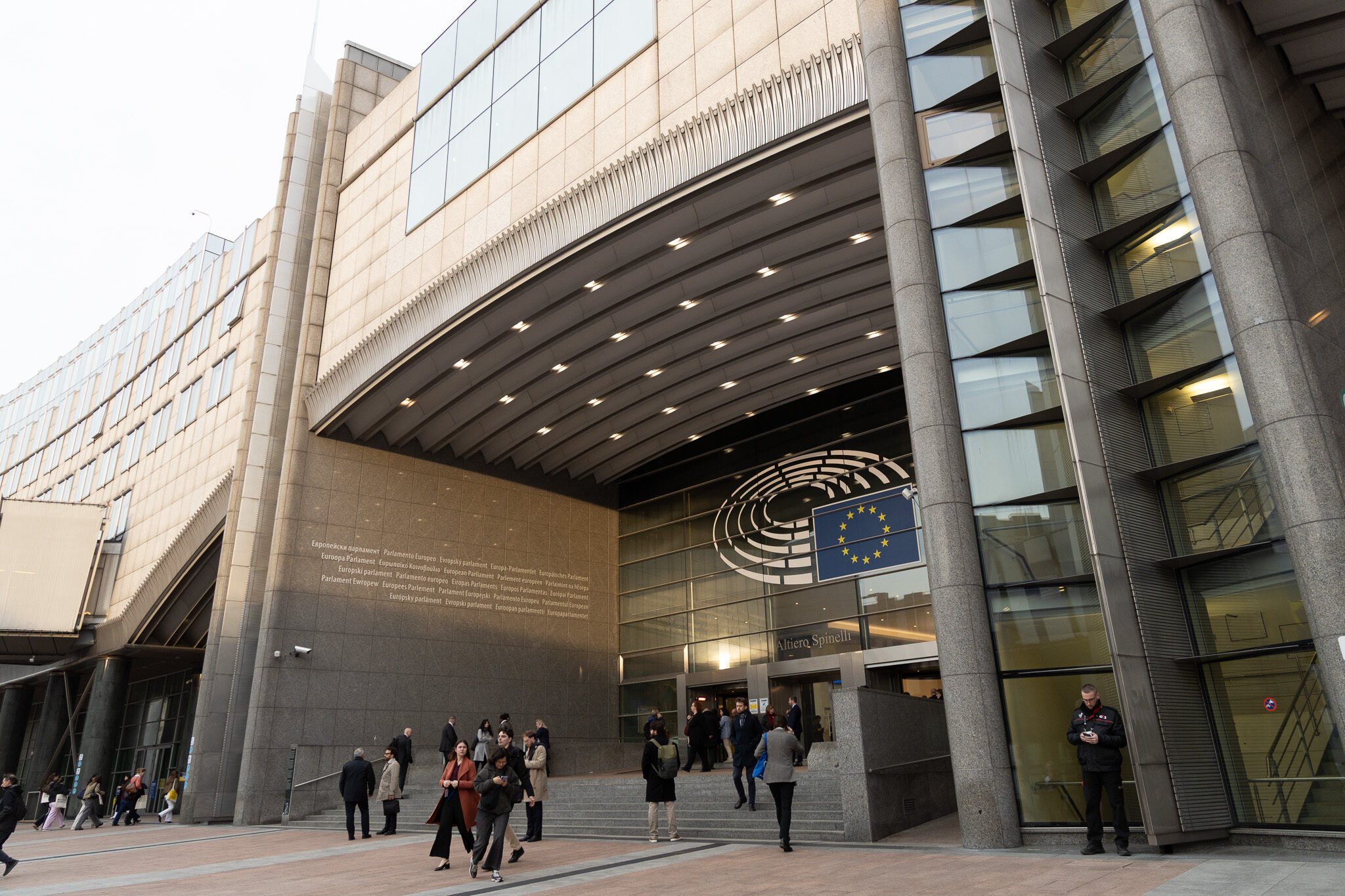
The economics are clear
Wind and solar are no longer alternative options, they are becoming the backbone of our energy system. This is industrial strategy. This is about competitiveness.
Renewables offer something fossil fuels never can: predictability. They are not subject to global commodity shocks. They are not controlled by unstable regions. And they produce electricity at low cost. In a world where energy prices define industrial competitiveness, this is a decisive advantage. Deployment remains essential – and must continue at pace.
We are seeing increasing levels of curtailment: renewable energy that is generated but cannot be used, wasted because our system is not keeping up. This is not a technical footnote. It is a signal that infrastructure and policy are lagging behind ambition.
From ambition to execution
The European Union has made a strategic choice: to build its future on clean, abundant and domestically produced energy, through great initiatives such as the European Green Deal, the Fit for 55 Package, and REPowerEU.
Yes these are the right frameworks. However, frameworks alone are not enough. We must transform policy into progress, through speed, scale, and political commitment.
So what does that look like in practice?
- First, accelerate investment in transmission and distribution networks. Faster permitting, smarter planning, and anticipatory investments that prepares the system for future demand. Stronger cross-border coordination is essential, because energy security in Europe is a shared responsibility.
- Second, scale up system flexibility. A renewable-based system requires new tools: storage, demand response, flexible industrial consumption, and smarter digital grid management.
- Third, fully leverage the European internal energy market. Stronger interconnections and deeper market integration will reduce costs, improve efficiency, and ensure that clean electricity flows where it is needed most.
These are the foundations of European competitiveness. Abundant, structurally lower-cost electricity is one of the most powerful economic attractors that any region can offer. In a world marked by instability it is also our strongest guarantee of energy security.
By strengthening our grids, scaling flexibility, and deepening market integration, we can ensure that every unit of clean electricity contributes to lower costs, greater resilience, and a stronger European economy.
Those of us in the industry cannot wait for perfect policy. We must engage. I left Brussels feeling encouraged and inspired. If we can move conversation into policy, from policy into infrastructure, and from infrastructure into lower bills and enhanced security, then we have done our job. The question is, can we move fast enough?
Roberta Travisi is the Head of Regulatory Engagement and Advocacy at Nadara. Roberta began her career in Brussels, working in EU institutional affairs and energy financing. She never really left, not in spirit anyway. Over a decade in the energy sector, across renewables, energy services, and market regulation, she has worked where policy meets practice: understanding the rules, shaping them, and pushing for better ones. At Nadara, she leads regulatory engagement and advocacy across Europe, and serves on the Council of Assolombarda Energia. In March 2026, she was back in the European Parliament, making the case for Europe to stop wasting the renewable energy it has already built.